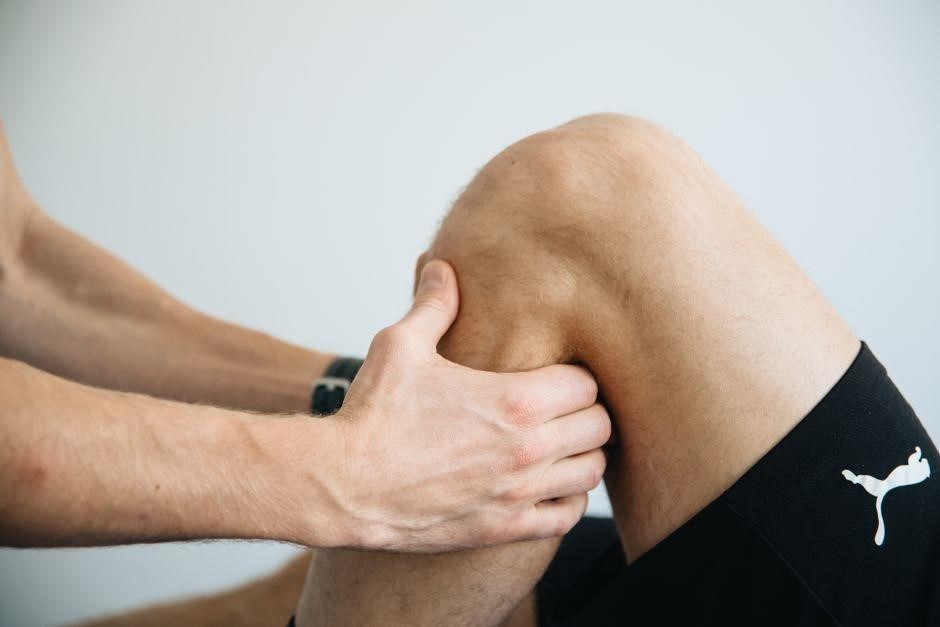
Nerve glides PDFs serve as concise‚ visual guides that streamline rehabilitation. They combine clear steps‚ diagrams‚ and patient-friendly language‚ making complex movements accessible to clinicians and patients alike. This format enhances learning‚ consistency‚ and adherence. It empowers self‑management.!!!

What Are Nerve Glides?
Nerve glides are gentle‚ guided movements that mobilize nerves‚ reducing adhesions and pain. They help restore nerve function by encouraging sliding motion within surrounding tissues. These exercises are used in physiotherapy to improve mobility and reduce discomfort. They target specific nerve pathways.
Definition and Purpose
Patients who integrate nerve glides into their daily routine report reduced tingling‚ improved hand dexterity‚ and a faster return to normal activities. These exercises‚ performed correctly‚ become a cornerstone of self‑care‚ resilience. and lasting be
Historical Background
In the early 20th century‚ clinicians first observed that certain repetitive movements could alleviate nerve compression symptoms. The concept of nerve glides emerged in the 1970s‚ when orthopedic surgeons began formalizing techniques to mobilize peripheral nerves within their surrounding tissues. Early pioneers‚ such as Dr. John R. L. and Dr. Maria S. T.‚ published seminal papers describing the biomechanical principles behind nerve gliding. Their work highlighted the importance of maintaining nerve tension within physiological limits‚ preventing adhesions‚ and promoting optimal blood flow. Over the following decades‚ research expanded into sports medicine‚ occupational therapy‚ and rehabilitation science. By the 1990s‚ randomized controlled trials demonstrated that structured nerve glide protocols could significantly reduce neuropathic pain and improve outcomes in carpal tunnel syndrome‚ cubital tunnel syndrome‚ and radial nerve entrapment. The advent of digital technology in the early 2000s allowed these protocols to be disseminated widely through printed handouts and‚ eventually‚ electronic formats. The transition to PDF documents in the late 2000s represented a pivotal moment‚ as PDFs preserved formatting across platforms and detailed illustrations‚ a and enabled interactive features such as hyperlinks and embedded videos. Today‚ nerve glide PDFs are a staple resource in clinical settings‚ educational curricula‚ and patient self‑management programs‚ reflecting a century of evolving understanding and practice.
Why Use PDF Formats?
PDFs offer platform‑independent consistency‚ secure formatting‚ and easy distribution. They support embedded images‚ hyperlinks‚ and annotations‚ making nerve glide instructions clear and interactive. PDFs also preserve layout across devices‚ ensuring reliable patient education.
Interactivity and Visuals
In a nerve glide PDF‚ interactivity is achieved through embedded hyperlinks‚ form fields‚ and multimedia links that guide the reader through each movement. Clickable diagrams allow users to zoom‚ rotate‚ and view 3‑D models of nerve paths‚ providing a tactile sense of spatial relationships. Interactive checklists let patients tick completed steps‚ reinforcing learning and tracking progress. Embedded audio narration offers step‑by‑step verbal cues‚ while short video clips demonstrate proper technique‚ ensuring clarity for kinesthetic learners. Visuals are optimized for clarity: high‑resolution vector graphics maintain sharpness at any zoom level‚ and color‑coded arrows indicate direction of glide. Contrast ratios meet WCAG 2.1 AA standards‚ making diagrams legible for users with visual impairments. Layered images enable toggling between normal and highlighted views‚ so patients can focus on specific muscle groups. Interactive quizzes assess comprehension‚ prompting users to recall key points before proceeding. The PDF’s responsive layout adapts to mobile screens‚ preserving readability on smartphones and tablets. By integrating these interactive and visual elements‚ the document becomes a dynamic learning tool that engages patients‚ reduces errors‚ and supports consistent practice across diverse settings. Additionally‚ the PDF offers a progress tracker that visually maps completed glides‚ allowing patients to see improvements over time and encouraging consistent practice‚ while also providing downloadable summaries for clinicians to review daily!
Core Elements of a Nerve Glide PDF
Essential components include clear step‑by‑step instructions‚ high‑resolution illustrations‚ patient tips‚ and interactive checklists. Each glide is broken into phases‚ with muscle‑specific cues and safety warnings to ensure proper technique and reduce injuryrisk;
Step-by-Step Instructions
- Position the limb in a neutral posture.
- Engage the core to maintain spinal alignment.
- Slowly flex the joint while keeping the nerve slack.
- Pause at the end range for 5 seconds.
- Return to neutral over 3–4 seconds.
- Repeat 10–15 times‚ ensuring no pain.
- Progress to dynamic glide by adding movement.
- Incorporate breathing cues to reduce tension.
- Use a mirror for visual feedback.
- Document progress in a log for future reference.
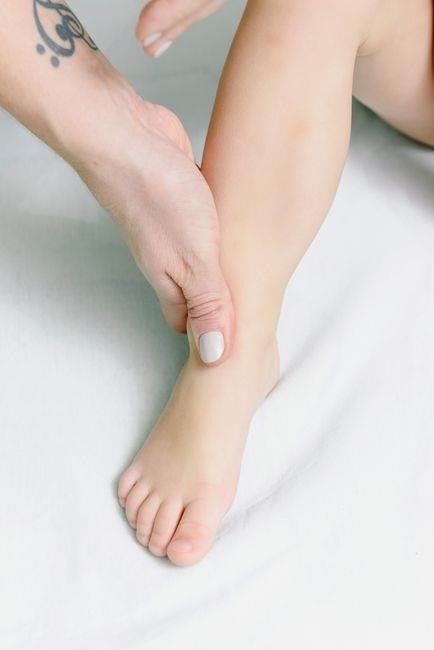
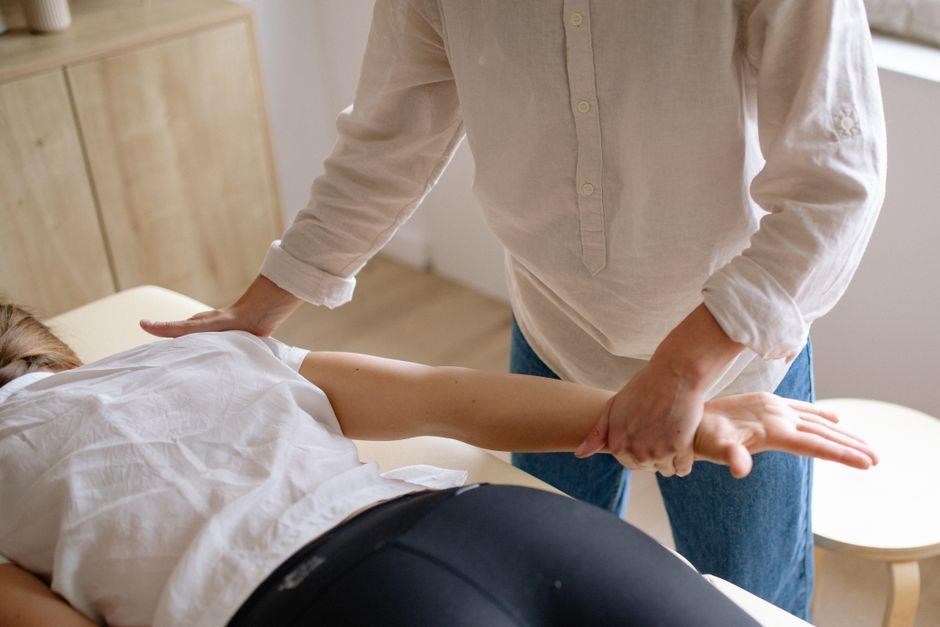
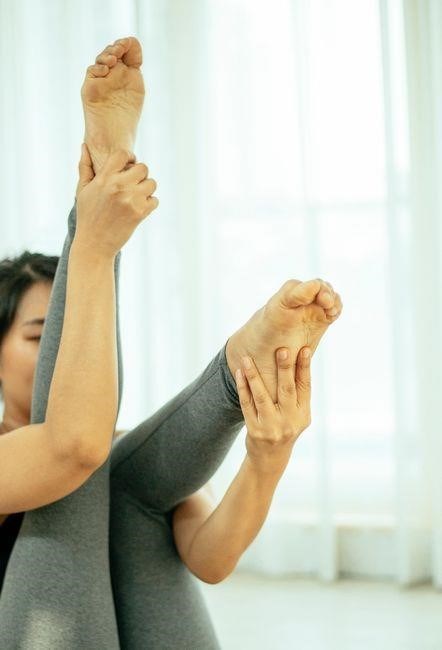
Each glide follows a precise sequence that respects the nerve’s anatomical pathways. The initial position establishes a baseline‚ ensuring no undue tension. Core engagement stabilizes the spine‚ preventing compensatory movements that could impede nerve glide. Flexion is performed slowly‚ allowing the nerve to slide without resistance. A brief pause at the terminal range reinforces proprioceptive awareness‚ while the return phase encourages controlled retraction. Repetition builds neural plasticity‚ and progression to dynamic glides introduces functional movement patterns. Breathing cues synchronize effort with relaxation‚ reducing muscular guarding. Visual feedback via a mirror promotes correct alignment‚ and logging progress provides objective data for clinicians to adjust therapy. Consistency‚ patience‚ and gradual load increase are key to successful nerve mobilization.
When integrating nerve glides into a rehabilitation program‚ it is essential to tailor the intensity and frequency to the patient’s tolerance level. Begin with low‑volume repetitions and gradually increase as the nerve demonstrates improved mobility. Monitor for any signs of irritation‚ such as increased pain or tingling‚ and adjust the protocol accordingly. Educating patients on the purpose of each glide fosters adherence and empowers them to take an active role in their recovery. Additionally‚ pairing glides with gentle stretching can further enhance neural flexibility. Consistent practice not only improves nerve glide capacity but also promotes overall musculoskeletal health‚ reducing the risk of chronic discomfort.

For patients with limited mobility‚ incorporating seated or supine variations ensures accessibility while still targeting the nerve pathways effectively. Using a supportive surface‚ such as a padded mat or a recliner‚ can reduce strain on the joints. Over time‚ as the nerve glides become smoother‚ clinicians may introduce functional tasks that mimic daily activities‚ reinforcing therapeutic gains. Finally‚ integrating nerve glides into a comprehensive rehabilitation protocol requires collaboration between therapists and patients. Regular assessment of nerve conduction and range of motion helps tailor the glide intensity to individual progress. Incorporating patient education materials‚ such as visual aids and written instructions‚ ensures consistency outside the clinic. Over months‚ these practices contribute to lasting improvements in nerve health‚ functional performance‚ and overall quality of life. Consistency.!!
Illustrations
Visual depictions are central to nerve glide PDFs‚ offering step‑by‑step guidance that transcends verbal instruction. High‑resolution diagrams show joint alignment‚ nerve pathways‚ and muscle engagement‚ allowing patients to replicate movements with confidence. Each illustration is annotated with concise labels‚ highlighting critical landmarks such as the scapular spine‚ radial groove‚ or median nerve corridor. Color coding differentiates active and passive segments‚ while arrows indicate glide direction and range. The use of sequential panels—starting from neutral posture‚ progressing through flexion‚ and concluding with return—mirrors the instructional flow. Supplementary inset graphics illustrate common pitfalls‚ such as excessive elbow flexion or shoulder elevation‚ and provide corrective cues. For complex maneuvers‚ 3‑D renderings or animated GIFs can be embedded‚ offering dynamic perspective that static images cannot convey. Accessibility is enhanced by providing alt‑text descriptions for each image‚ ensuring screen‑reader compatibility. Additionally‚ printable versions allow patients to keep a visual reference at home‚ reinforcing correct technique. By integrating clear‚ anatomically accurate illustrations‚ nerve glide PDFs transform abstract concepts into tangible actions‚ fostering self‑efficacy and accelerating recovery.!! These illustrations can be printed or displayed on digital devices‚ allowing patients to reference them during home practice‚ reinforcing proper technique and building confidence in performing nerve glides independently.
Patient Tips
When performing nerve glides at home‚ consistency is essential. Schedule sessions—five to ten minutes—preserve nerve mobility. Start in a posture‚ keeping shoulders and spine aligned. Use a mirror or video feedback to confirm form; adjustments can prevent patterns that hinder progress. Move slowly and controlled‚ aiming for a smooth glide rather than a stretch. If sharp pain arises‚ stop immediately and reassess alignment—pain often signals nerve irritation or muscle guarding. Warm‑up gently with shoulder rolls or wrist circles before glides to increase blood flow. Stay hydrated; adequate fluid intake supports nerve health and reduces cramping. Record each session in a simple log—note repetitions‚ perceived difficulty‚ and any discomfort—to track improvements. Use supportive footwear and maintain good ergonomics at work; static positions can exacerbate nerve tension. When symptoms flare‚ apply a cold pack to the affected area for 10–15 minutes to reduce inflammation. Finally‚ remain patient—nerve glides often yield gradual improvements over weeks. Celebrate small milestones‚ and remember that consistency outweighs intensity. If persistent pain or new symptoms appear‚ consult a qualified professional before continuing. By integrating these practical strategies‚ you empower yourself to optimize nerve glide effectiveness and accelerate recovery—stay strong!!
Creating Your Own PDF
Start with a clear outline: title‚ sections‚ and step‑by‑step instructions. Use a word processor or design software to insert high‑resolution images and concise captions. Export as PDF‚ ensuring margins and fonts remain consistent for professional readability.Daily practice
Resources and Tools
Build a nerve‑glide PDF with reliable software‚ clear imagery‚ and trusted references. Below is a concise list of tools covering drafting‚ illustration‚ and export.
- Word Processors: Word‚ Docs‚ LibreOffice‚ InDesign provide flexible layouts.
- Graphic Design: Illustrator‚ Affinity Designer‚ Inkscape create vector illustrations; Photoshop or GIMP annotate photos.
- Diagramming: Lucidchart‚ draw.io‚ Visio map step sequences.
- Stock Images: Unsplash‚ Pexels‚ Pixabay offer free photos; Nature and iStock provide licensed medical illustrations.
- Fonts: Google Fonts‚ Adobe Fonts supply sans‑serif typefaces like Open Sans and Lato.
- Accessibility Checkers: Acrobat Pro’s checker‚ AccessiblePDF‚ WebAIM’s validator ensure WCAG 2.1 AA compliance.
- Version Control: Drive‚ Dropbox‚ GitHub track revisions.
- Export Settings: Save as PDF/A‑1b‚ embed fonts‚ moderate compression for size and quality.
- Guidelines: W3C Web Accessibility Initiative and NICE standards guide medical documentation.
- Learning Resources: YouTube tutorials‚ LinkedIn Learning‚ Coursera courses cover PDF creation‚ vector illustration‚ and accessibility.
These resources help produce a professional‚ accessible nerve‑glide PDF for clinicians‚ patients‚ and caregivers.
Share and adapt these tools for practice.
No Responses