
AP World History Multiple Choice Questions PDF: A Comprehensive Study Plan
Navigating the AP World History exam requires focused preparation, and utilizing PDF practice materials is crucial․ These resources, like those from CollegeBoard, offer invaluable practice․
Effective study involves understanding the exam’s structure and content, alongside mastering multiple-choice question strategies for optimal success and a higher score․
Understanding the AP World History Exam Format
The AP World History exam is a comprehensive assessment designed to evaluate a student’s understanding of global history from approximately 1450 to the present․ It’s structured to test not just factual recall, but also analytical and reasoning skills․ The exam comprises two sections: a multiple-choice section and a free-response section․ The multiple-choice section, often delivered as a PDF for practice, constitutes 40% of your final score, making it a significant component․
Specifically, the multiple-choice section consists of 55 questions, and you’re allotted 55 minutes to complete it․ These questions assess your ability to analyze historical sources, interpret data, and understand cause-and-effect relationships․ CollegeBoard provides official practice exams in PDF format, mirroring the actual exam’s format and difficulty․ Familiarizing yourself with this structure – the timing, question types, and content distribution – is paramount for success․
Understanding the weighting of each period within the exam is also vital, as certain eras receive more focus than others․ Utilizing practice PDFs allows you to identify your strengths and weaknesses, tailoring your study plan accordingly․
The Role of Multiple Choice Questions
Multiple choice questions (MCQs) in the AP World History exam aren’t simply about memorizing dates and names; they are designed to assess your historical thinking skills․ These questions, frequently available in PDF practice exams from sources like CollegeBoard, test your ability to analyze sources, interpret evidence, and construct arguments․ They evaluate your understanding of historical context, causation, comparison, and continuity & change over time․
Effectively answering MCQs requires a strategic approach․ Carefully reading each question and all answer choices is crucial, as distractors are often plausible but incorrect․ Utilizing process of elimination can significantly improve your odds․ Practice PDFs allow you to become comfortable with the question styles and pacing․
Mastering MCQs builds a strong foundation for the free-response section, as it reinforces core concepts and analytical skills․ Consistent practice with official CollegeBoard PDFs is key to maximizing your performance on this important section of the exam․
Locating Official AP World History Practice Exams (PDF)
The primary source for official AP World History practice exams in PDF format is the College Board website․ Specifically, the Course and Exam Description (CED) often includes a full-length practice exam, accessible for download․ As of November 16, 2017, a practice exam was available at this URL․
CollegeBoard is dedicated to expanding access to higher education and provides these resources to help students prepare․ Beyond the CED, explore the AP Central website for additional released questions and exam information․ Remember to prioritize official materials, as they most accurately reflect the exam’s format and content․
While third-party resources exist, official CollegeBoard PDFs offer the most reliable practice․ Regularly check the College Board website for updates and newly released practice materials to ensure your preparation is current and effective․
CollegeBoard’s Official Practice Exam (2017)
The 2017 CollegeBoard AP World History Practice Exam, available as a PDF, is a cornerstone resource for student preparation․ This full-length exam mirrors the actual AP World History test in format, question types, and content coverage․ It includes both multiple-choice and free-response sections, providing a comprehensive assessment of student understanding․
Released on November 16, 2017, this exam allows students to simulate test conditions and identify areas for improvement․ The practice exam is designed to help students become familiar with the exam’s pacing and difficulty level․ It’s a valuable tool for honing time management skills and refining test-taking strategies․
Accessing this resource via the provided PDF link (AP World History CED Practice Exam) is crucial for effective AP World History study․
Analyzing the Structure of the Multiple Choice Section
The AP World History multiple-choice section comprises 55 questions, designed to assess comprehension of historical developments across various periods․ These questions typically fall into categories like source analysis, visual interpretation, and evaluating historical arguments․ Understanding this structure is vital for targeted preparation using PDF practice exams․
Questions often require students to synthesize information from different historical contexts and demonstrate analytical skills․ Familiarity with common question stems and formats, as found in CollegeBoard’s official practice materials, is key to success․
Effective analysis involves recognizing patterns in question types and developing strategies for tackling each one․ Utilizing practice PDFs allows students to deconstruct the section’s logic and build confidence in their ability to navigate its challenges․

Time Management Strategies for AP World History MCQs
Successfully tackling the 55 AP World History multiple-choice questions within the allotted time demands strategic time management․ A recommended approach is to aim for approximately one minute per question, though flexibility is crucial․ Utilizing PDF practice exams allows students to simulate exam conditions and refine their pacing․
Prioritize questions – quickly answer those you’re confident about, flagging more challenging ones for review․ Avoid getting bogged down on any single question for too long․
Effective use of the process of elimination is vital․ Even if unsure of the correct answer, eliminating obviously incorrect options increases your probability of success․ Regularly practicing with timed PDF materials builds speed and reduces test anxiety, leading to improved performance․
Content Areas Covered in the Multiple Choice Questions
The AP World History multiple-choice questions comprehensively assess knowledge across six historical periods, spanning from 1200 CE to the present․ These questions delve into diverse themes, including cultural developments, economic systems, governance, human-environment interaction, and social structures․
PDF practice exams, such as those offered by CollegeBoard, mirror this broad coverage․ Students should expect questions requiring analysis of historical sources, interpretations of maps and charts, and understanding of cause-and-effect relationships․

Mastery of key concepts, significant events, and global trends within each period is essential․ Consistent review using PDF resources, coupled with focused study of the course’s thematic learning objectives, will prepare students for the exam’s content demands․
Period 1: Technological and Environmental Transformations to c․ 600 BCE
Multiple-choice questions focusing on Period 1 assess understanding of foundational developments in human history․ Expect questions regarding the Paleolithic and Neolithic Revolutions, the emergence of agriculture, and the subsequent societal changes․
PDF practice exams will likely feature scenarios analyzing the impact of new technologies – like stone tools and pottery – on human adaptation and interaction with the environment․ Questions may also explore early forms of governance, religious beliefs, and the development of settled communities․
Successful preparation involves understanding the relationship between technological innovation, environmental factors, and the rise of early civilizations․ Utilizing practice PDFs allows students to identify knowledge gaps and refine their analytical skills in this crucial historical period․
Period 2: The Development of Agriculture and Settled Communities
AP World History multiple-choice questions for Period 2 heavily emphasize the consequences of the Agricultural Revolution․ PDF practice exams will test your knowledge of how settled agriculture led to population growth, specialization of labor, and the development of social hierarchies․
Expect questions analyzing the emergence of early civilizations in Mesopotamia, Egypt, the Indus Valley, and China․ These questions often focus on the impact of irrigation, the development of writing systems, and the formation of complex political structures․
Effective preparation requires understanding the environmental factors that facilitated agriculture in different regions and the cultural changes that accompanied settled lifestyles․ Utilizing practice PDFs will help you hone your ability to compare and contrast these early civilizations․
Period 3: Regional and Transregional Interactions c․ 600 BCE to c․ 600 CE
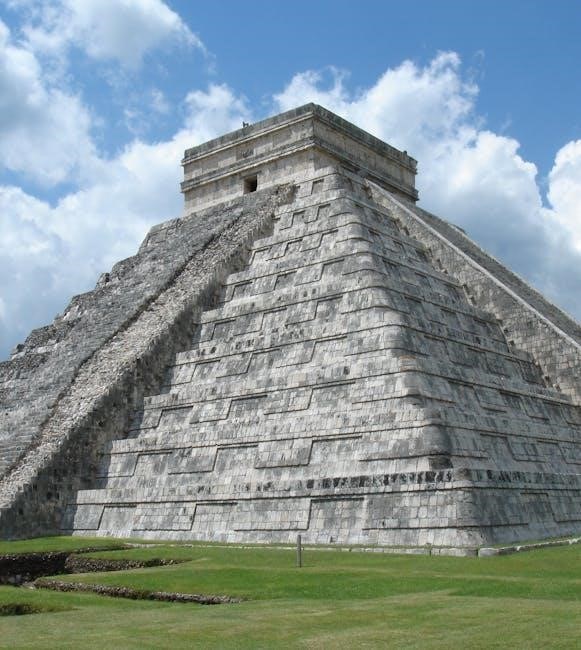
AP World History multiple-choice questions for Period 3, as found in PDF practice exams, center on the rise and fall of classical empires and the intensification of trade networks․ Expect questions regarding the impact of the Silk Roads, the Indian Ocean trade, and the Mediterranean Sea trade routes․
Focus on understanding the political and social structures of empires like the Roman Empire, Han Dynasty, and the Maurya and Gupta Empires․ Questions will likely assess the spread of major belief systems – Buddhism, Hinduism, Christianity, and Confucianism – along these trade routes․
Practice PDFs will challenge you to analyze the consequences of increased interaction, including the exchange of goods, ideas, and diseases․ Mastering comparative analysis of these empires is crucial for success․
Period 4: Global Interactions c․ 600 CE to c․ 1450
AP World History multiple-choice questions for Period 4, available in PDF practice exams, heavily emphasize the expansion of empires and the intensification of global trade networks․ Expect questions concerning the Islamic Caliphates, the Tang and Song Dynasties, and their impact on regional and transregional connections․
Focus on understanding the continuities and changes in trade routes like the Silk Roads, the Indian Ocean, and the trans-Saharan trade․ Questions will assess the spread of Islam, the growth of cities, and the development of new technologies like gunpowder and the compass․
Practice PDFs will test your ability to analyze the consequences of increased interaction, including cultural diffusion, the exchange of goods, and the spread of disease․ Comparative questions focusing on empire building are also common․
Period 5: Industrialization and Global Integration c․ 1450 to c․ 1750
AP World History PDF practice questions for Period 5 concentrate on the rise of maritime empires – Portugal, Spain, England, France, and the Dutch – and the Columbian Exchange․ Expect questions assessing the motivations for exploration, the impact of silver flows, and the development of the plantation system․
Focus on understanding the consequences of increased global trade, including the growth of mercantilism, the Atlantic slave trade, and the emergence of new commercial networks․ Questions will also address the impact of these changes on societies in both the Americas and Afro-Eurasia․
Practice exams will test your ability to analyze the causes and effects of these transformations, including demographic shifts, environmental changes, and the rise of new social hierarchies․ Be prepared for source analysis questions related to primary accounts of this era․
Period 6: Revolutions c․ 1750 to c․ 1900
AP World History PDF practice questions for Period 6 heavily emphasize the Enlightenment, the American, French, Haitian, and Latin American Revolutions, and the subsequent rise of nationalism․ Expect questions probing the causes of these revolutions, their key ideologies, and their global impact․
Focus on understanding the Industrial Revolution’s origins in Britain, its spread, and its social, economic, and political consequences․ Questions will assess the rise of new ideologies like liberalism, socialism, and communism, and their challenges to existing power structures․
Practice exams will test your ability to analyze imperialism, its motivations, and its effects on colonized societies․ Be prepared for source analysis questions related to revolutionary documents and accounts of imperial expansion․
Period 7: Global Conflict c․ 1900 to the Present
AP World History PDF practice questions for Period 7 concentrate on the causes and consequences of World War I and II, including the rise of totalitarian regimes in the interwar period․ Expect questions analyzing the Cold War, decolonization movements, and the emergence of new nations․
Focus on globalization, its drivers, and its impacts on various societies․ Questions will assess the rise of multinational corporations, the spread of technology, and the increasing interconnectedness of the world․ Be prepared to analyze the causes and effects of major conflicts, such as the Korean and Vietnam Wars․
Practice exams will test your understanding of contemporary issues like terrorism, environmental challenges, and human rights․ Source analysis questions related to Cold War documents and post-colonial literature are common․
Common Question Types in AP World History MCQs
AP World History multiple-choice questions, often found in PDF practice exams, frequently test specific historical thinking skills․ Expect a significant number of questions requiring source analysis – interpreting primary and secondary sources to understand context and perspective․
Visual analysis questions are prevalent, demanding interpretation of images, maps, and charts․ Comparative questions ask you to identify similarities and differences between historical developments․ Causation questions probe your understanding of cause-and-effect relationships․
Continuity and Change Over Time questions are central, assessing your ability to recognize patterns of historical development․ PDF practice materials will expose you to these formats, building familiarity and improving your analytical skills for exam success․
Source Analysis Questions
Source analysis questions within AP World History MCQs, readily available in PDF practice exams, demand critical engagement with historical documents․ These aren’t simply recall questions; they assess your ability to interpret a source’s purpose, historical context, and potential bias․

Expect prompts asking about the author’s point of view, intended audience, or limitations of the source․ Understanding the ‘main idea’ is crucial, but equally important is recognizing what the source doesn’t tell you․
PDF practice allows you to hone these skills, learning to quickly identify key information and evaluate a source’s reliability․ Mastering source analysis is vital for achieving a high score on the AP World History exam, as it’s a consistently tested skill․
Visual Analysis Questions
Visual analysis questions, frequently found within AP World History multiple-choice PDF practice materials, require interpreting images, maps, charts, or other visual representations of historical information․ These questions assess your ability to ‘read’ a visual source critically․
Focus on identifying the visual’s main message, its historical context, and the perspective it presents․ Consider the symbolism, composition, and intended audience of the visual․ Don’t simply describe what you see; analyze why it was created and what it reveals about the period․
Utilizing practice PDFs allows you to build confidence in deciphering visual cues and connecting them to broader historical themes․ Strong visual analysis skills are essential for success on the AP World History exam․
Comparative Questions
Comparative questions, prevalent in AP World History multiple-choice PDF practice exams, challenge you to identify similarities and differences between historical developments, societies, or processes․ These questions test your ability to synthesize information and think critically․
When tackling these questions, avoid simply listing facts․ Instead, focus on analyzing the underlying reasons for the similarities and differences․ Consider the historical context, geographic factors, and cultural influences that shaped each situation․
Effective practice with PDF materials will hone your skills in recognizing patterns and making nuanced comparisons․ Mastering this question type is crucial for achieving a high score on the AP World History exam, demonstrating a broad understanding of global history․
Causation Questions
Causation questions are a cornerstone of the AP World History exam, frequently appearing in multiple-choice PDF practice materials․ These questions assess your understanding of cause-and-effect relationships throughout history, demanding more than just recalling events․
Successfully answering these requires identifying not only what happened, but why it happened, and what the subsequent consequences were․ Look for questions that ask about the primary causes, or the most significant effects of a particular event or development;

Practice with official CollegeBoard PDFs will familiarize you with the nuances of historical causation․ Remember to consider both short-term and long-term causes, and avoid oversimplifying complex historical processes․ A strong grasp of causation is vital for exam success․
Continuity and Change Over Time Questions
Continuity and Change Over Time (CCOT) questions are prevalent in AP World History multiple-choice sections, and are well-represented in PDF practice exams․ These questions challenge you to analyze historical trends, identifying elements that remained consistent and those that evolved․
Effective responses demonstrate an understanding of both continuity and change, avoiding the pitfall of focusing solely on one aspect․ Consider the degree of change – was it revolutionary, or incremental? What factors contributed to either continuity or change?
Utilizing CollegeBoard’s official practice PDFs allows you to hone your analytical skills․ Practice identifying long-term patterns and understanding how historical events impacted these patterns․ Mastering CCOT analysis is crucial for a high score․
Utilizing PDF Practice Exams Effectively

PDF practice exams, such as those offered by CollegeBoard, are invaluable tools for AP World History preparation․ However, simply completing them isn’t enough; effective utilization is key to maximizing their benefit․
Treat each practice exam as a full-scale simulation of the actual test․ Adhere strictly to the time constraints and create a quiet, distraction-free environment․ This builds stamina and simulates test-day pressure․
Beyond scoring, prioritize detailed review․ Analyze why you missed questions – was it a content gap, misreading the question, or poor time management? Use this feedback to refine your study plan and target areas needing improvement․ Consistent, focused practice yields significant results․
Strategies for Reviewing Incorrect Answers
Thoroughly reviewing incorrect answers on AP World History practice exams, particularly those in PDF format, is paramount for improvement․ Don’t just look at the correct answer; dissect why your initial choice was wrong․
Identify patterns in your errors․ Are you consistently struggling with specific time periods, geographical regions, or question types (causation, comparison)? This pinpoints content gaps needing attention․
Revisit the source material related to the question․ Understand the historical context and nuances that led to the correct answer․ Consider alternative answer choices and why they were incorrect․
Document your mistakes and create a personalized error log․ This proactive approach transforms failures into learning opportunities, boosting your confidence and exam performance․
Identifying Content Gaps
Analyzing your performance on AP World History multiple-choice questions, especially within PDF practice exams, reveals crucial content gaps․ Consistent errors in specific periods – like Period 5 (Industrialization) or Period 6 (Revolutions) – signal areas needing focused review․
Utilize the exam’s structure to your advantage․ If you consistently miss questions about political systems in East Asia, dedicate study time to that region and topic․
Cross-reference incorrect answers with the AP World History Course and Exam Description (CED)․ This document outlines the specific knowledge and skills assessed on the exam, helping you pinpoint deficiencies․
Don’t simply re-read your textbook․ Actively engage with the material through practice questions, flashcards, and concept mapping to solidify understanding and bridge those knowledge gaps․
Supplementing with Additional Resources
While CollegeBoard’s official AP World History practice exams (PDF format) are foundational, diversifying your resources enhances preparation․ Explore reputable online platforms offering practice questions and historical content, ensuring alignment with the current curriculum․
Consider utilizing textbooks, review books, and educational videos to reinforce concepts; Khan Academy provides free, comprehensive history lessons, complementing PDF practice․
Engage with historical podcasts and documentaries to gain broader context and perspectives․ These resources can make learning more engaging and memorable, improving retention․
Remember to critically evaluate all supplementary materials, verifying their accuracy and relevance to the AP World History curriculum․ A multi-faceted approach, combining official and supplemental resources, maximizes your chances of success․
Beyond the CollegeBoard Exam: Other Practice Materials
Expanding your practice beyond the official CollegeBoard AP World History PDF exams is vital for comprehensive preparation․ Numerous resources offer valuable question banks and historical content․
Princeton Review and Kaplan provide AP World History prep books with practice tests and detailed explanations․ These often include online resources with additional questions․
Quizlet and other flashcard platforms offer user-created sets covering key terms, events, and concepts․ Utilize these for focused review and memorization․
Albert․io and AP Classroom (through your teacher) provide digital practice with immediate feedback․ These platforms often mimic the AP exam format․
Remember to prioritize quality and relevance when selecting supplementary materials․ Focus on resources aligned with the current AP World History curriculum and exam structure for optimal results․
Creating a Personalized Study Schedule
Developing a tailored study schedule is paramount for AP World History success, especially when incorporating PDF practice exams․ Begin by assessing your strengths and weaknesses through initial diagnostic tests․
Allocate specific time slots for content review, practice questions (utilizing PDFs from sources like CollegeBoard), and focused skill-building – such as source analysis․
Break down the curriculum into manageable periods, dedicating sufficient time to each․ Prioritize areas where you struggle, revisiting them frequently․
Integrate regular practice exams into your schedule, simulating exam conditions․ Analyze your results meticulously, identifying content gaps and areas for improvement․
Remember to include buffer time for unexpected events and to prevent burnout․ Consistency and adaptability are key to a successful study plan․
Maximizing Your Score: Final Tips and Tricks
As you approach the AP World History exam, refine your strategy with these final tips․ Thoroughly review incorrect answers from PDF practice exams, understanding the reasoning behind correct responses․
Focus on mastering common question types – source analysis, visual interpretation, and comparative questions – found within the practice materials․
Practice time management rigorously․ Simulate exam conditions, aiming to complete sections within the allotted time․ Don’t get bogged down on difficult questions; move on and return later․
Read each question carefully, identifying key terms and concepts․ Eliminate obviously incorrect answer choices to narrow your focus․
Remember the CollegeBoard’s emphasis on equity and access; confidence comes from preparation; A well-executed plan, utilizing available PDFs, will maximize your potential․

No Responses