
Safety 1st Forehead Thermometer Manual: A Comprehensive Guide
This detailed manual offers complete guidance on your Safety 1st forehead thermometer, covering installation, operation, maintenance, and troubleshooting for optimal use and accuracy.
Welcome to the world of quick and convenient temperature monitoring! The Safety 1st Forehead Thermometer is designed for fast, accurate, and hygienic temperature readings, making it an essential tool for families. This non-contact thermometer minimizes disturbance, especially for sleeping children, and reduces the risk of cross-contamination.
Unlike traditional methods, this thermometer utilizes infrared technology to measure temperature from a distance, scanning the forehead for a reliable reading in seconds. It’s a valuable asset for proactively managing health within your household. Understanding the principles of safety and security, this device prioritizes accident prevention and offers peace of mind.
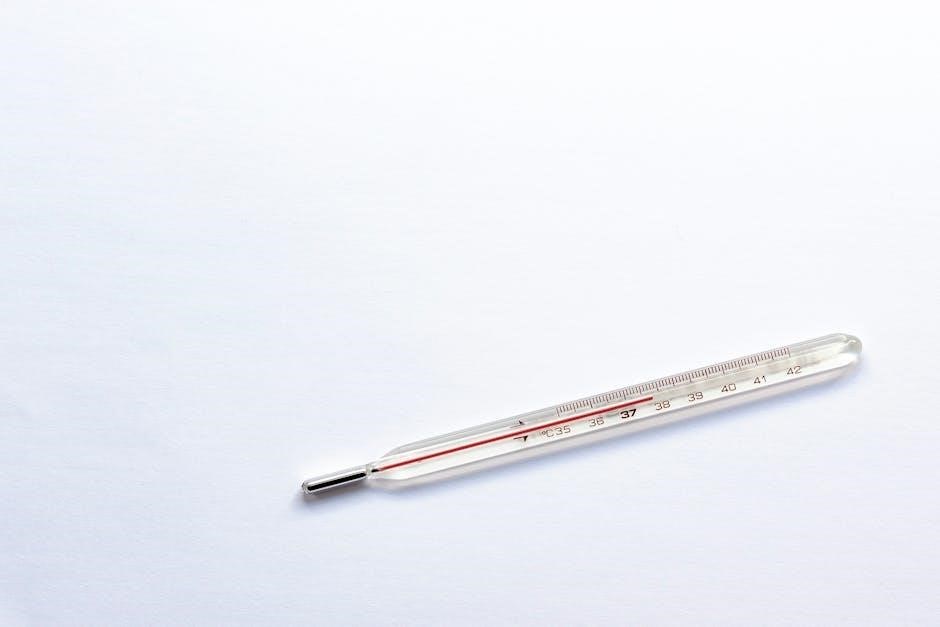
This manual will guide you through each feature, ensuring you maximize the benefits of your new thermometer. From understanding the display to interpreting results, we’ll cover everything you need to know for confident and effective use.
Understanding the Importance of Accurate Temperature Readings
Accurate temperature readings are fundamental to effective health monitoring. Identifying a fever early allows for prompt assessment and appropriate care, potentially preventing complications. Relying on subjective feelings of warmth can be misleading; a precise measurement provides objective data for informed decisions.
The Safety 1st Forehead Thermometer delivers consistent and reliable results, aiding in distinguishing between normal variations and potential illness. Understanding the difference between ‘safety’ – preventing accidents – and ‘security’ – preventing deliberate harm – is crucial, and this thermometer contributes to health safety.
Consistent monitoring, especially during illness, helps track the effectiveness of treatments. Accurate data empowers you to communicate effectively with healthcare professionals, ensuring the best possible care. Prioritizing technical safety, this device minimizes errors and provides dependable information for your family’s well-being.

Key Features and Components
This thermometer boasts a user-friendly design, including a clear display, intuitive buttons, and a highly sensitive sensor lens for quick, reliable temperature measurements.
Thermometer Display and Buttons
The Safety 1st forehead thermometer features a large, backlit LCD display that clearly shows the temperature reading in either Fahrenheit or Celsius, selectable via a dedicated button. The display also incorporates indicators for low battery power and measurement status.
Key buttons include the power button, used to turn the thermometer on and off, and the scan/measure button, initiating the temperature reading process. A separate ‘Mode’ button allows users to switch between temperature units (Fahrenheit and Celsius) and access memory recall functions, if available on the specific model.
Button presses are typically confirmed with a brief audible beep, providing feedback to the user. The display is designed for easy readability in various lighting conditions, ensuring accurate temperature interpretation. Understanding the function of each button and the information presented on the display is crucial for effective and safe operation of the thermometer.
Sensor Lens and its Function
The sensor lens is the critical component responsible for accurately detecting infrared heat emitted from the forehead. It’s meticulously engineered to capture this thermal radiation and convert it into a precise temperature reading. Maintaining the cleanliness of this lens is paramount for reliable results; any obstruction, like dirt or residue, can significantly impact accuracy.
This lens is highly sensitive and should be handled with care. Avoid direct contact with fingers or abrasive materials. Regular cleaning with a soft, dry cloth or an alcohol wipe (as per the manufacturer’s instructions) is recommended. The lens focuses the infrared energy onto a highly sensitive thermopile, which generates a signal proportional to the temperature.
Proper functioning of the sensor lens ensures the thermometer can effectively measure body temperature without physical contact, offering a hygienic and convenient method for temperature assessment. Damage to the lens will compromise the thermometer’s ability to function correctly.
Battery Compartment and Type
The Safety 1st forehead thermometer typically requires AAA batteries for operation, though specific models may vary – always confirm the correct type in your manual. The battery compartment is usually located on the back or side of the device, secured by a sliding cover. Ensure the cover is firmly in place after battery installation to maintain proper functionality and prevent accidental dislodgement.
When replacing batteries, always use new batteries of the same type and avoid mixing old and new ones. Incorrect battery installation can damage the thermometer or lead to inaccurate readings. Dispose of used batteries responsibly, following local regulations for battery recycling.
A low battery indicator will alert you when replacement is needed, typically displayed on the thermometer’s screen. Prompt battery replacement ensures continuous and reliable temperature measurements. The battery compartment is designed for easy access, facilitating quick and convenient battery changes.

Operating Instructions
To use the thermometer effectively, power it on, aim at the forehead, press the scan button, and read the temperature displayed on the clear, digital screen.
Powering On and Off the Thermometer
Initiating Operation: To power on your Safety 1st forehead thermometer, firmly press the power button, typically located on the side or top of the device. Upon activation, the display screen will illuminate, initiating a self-check process to ensure all systems are functioning correctly. This self-test is usually indicated by a brief display of all segments on the screen.

During Operation: The thermometer is designed to automatically shut off after a period of inactivity, generally around 30 seconds, to conserve battery life. However, you can manually power off the device by pressing and holding the power button for approximately two seconds until the screen goes blank. This prevents unnecessary battery drain and ensures the thermometer is ready for its next use.
Battery Considerations: Always ensure sufficient battery power for accurate readings. A low battery indicator will appear on the display when replacement is needed. Refer to the ‘Low Battery Indicator and Replacement’ section for detailed instructions on changing the batteries.
Proper Scanning Technique
Optimal Positioning: For accurate temperature readings with your Safety 1st forehead thermometer, center the sensor lens approximately 1-2 inches (2.5-5 cm) from the forehead, directly between the eyebrows. Avoid scanning over areas covered by hair, sweat, cosmetics, or scars, as these can interfere with the reading.
Scanning Motion: Gently press the scan button. Slowly move the thermometer across the forehead, maintaining consistent contact. A smooth, deliberate motion ensures the sensor accurately captures infrared heat emitted from the skin. Do not lift the thermometer during the scanning process.
Environmental Factors: Ensure the individual has been indoors for at least 30 minutes before taking a reading, as external temperatures can affect accuracy. Avoid taking measurements immediately after exercise, bathing, or consuming hot or cold beverages; Consistent technique yields reliable results.
Reading and Interpreting Temperature Results
Display Overview: After scanning, the thermometer displays the measured temperature on the LCD screen. Ensure the display is clear and unobstructed. The unit will also indicate the measurement mode (Fahrenheit or Celsius, depending on your setting).
Temperature Interpretation: A normal body temperature generally ranges between 97.6°F (36.4°C) and 99.6°F (37.6°C). Temperatures exceeding 100.4°F (38°C) typically indicate a fever. However, individual variations exist, and it’s crucial to consider the person’s usual temperature.
Fever Indicators: The thermometer may feature color-coded indicators (e.g., green for normal, yellow for low-grade fever, red for high fever) to visually represent the temperature level. Always consult a healthcare professional for diagnosis and treatment advice, especially for persistent or high fevers.

Safety Precautions and Maintenance
To ensure longevity and accuracy, regularly clean and disinfect the thermometer, store it safely, and address any issues promptly following provided guidelines.
Cleaning and Disinfecting the Thermometer
Maintaining hygiene is crucial for accurate readings and preventing the spread of germs. After each use, gently wipe the sensor lens with a soft cloth lightly dampened with 70% isopropyl alcohol. Ensure no liquid enters the internal components of the thermometer. Avoid using harsh chemicals, abrasive cleaners, or immersing the device in water, as these can damage the sensitive sensor and electronic circuitry.
Allow the thermometer to air dry completely before storing it. Regularly inspect the sensor lens for any visible dirt or residue. For stubborn stains, use a cotton swab dipped in isopropyl alcohol to carefully clean the lens. Always prioritize a gentle cleaning approach to preserve the thermometer’s functionality and lifespan. Proper disinfection contributes to reliable temperature measurements and safeguards user health.
Do not autoclave or sterilize the thermometer. This will void the warranty and potentially damage the device.
Storage Guidelines
Proper storage extends the life and ensures the accuracy of your Safety 1st forehead thermometer. When not in use, store the thermometer in a cool, dry place, away from direct sunlight, extreme temperatures, and humidity. Avoid storing it in bathrooms or near water sources. It’s best to keep the thermometer in its original packaging or a protective case to prevent dust accumulation and accidental damage.
Ensure the battery compartment is closed securely to prevent battery leakage and corrosion. Do not store the thermometer with batteries installed for extended periods if it will not be used. Remove the batteries and store them separately in a dry location. Avoid placing heavy objects on top of the thermometer, as this could damage the sensor or display. Following these guidelines will help maintain the thermometer’s performance and reliability over time.
Keep out of reach of children.
Troubleshooting Common Issues
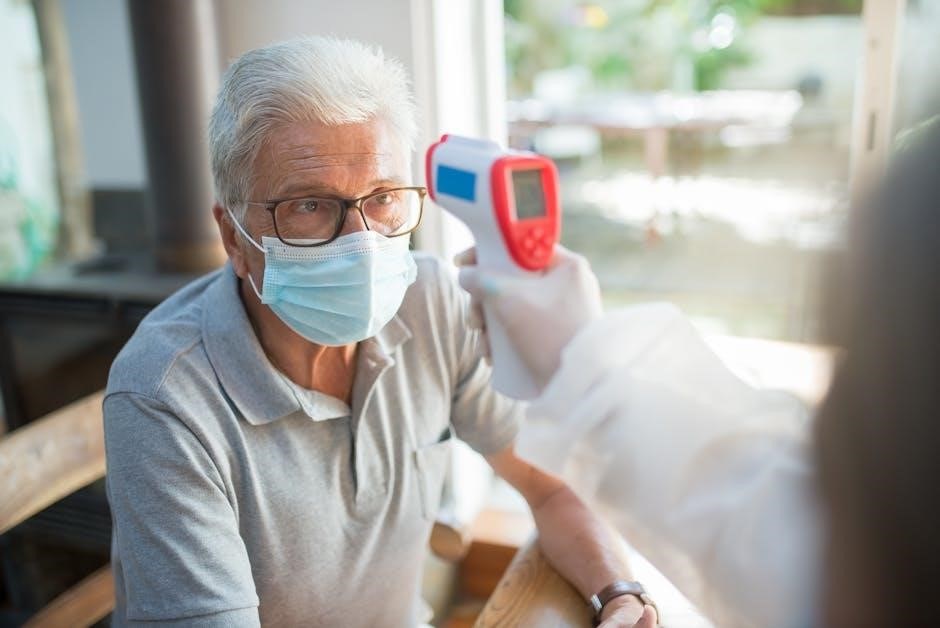
If your Safety 1st forehead thermometer isn’t functioning correctly, several simple checks can resolve the issue. If the display is blank, first ensure the batteries are correctly installed and have sufficient charge. A low battery can cause inaccurate readings or a non-functional device. If the readings seem inconsistent, verify you’re using the correct scanning technique, maintaining the proper distance, and aiming for the center of the forehead.
Clean the sensor lens regularly, as dirt or debris can interfere with accurate temperature detection. If error messages appear, consult the manual for specific code meanings. If the thermometer has been exposed to extreme temperatures, allow it to acclimate to room temperature before use. If problems persist, replace the batteries with new ones. If the issue continues after these steps, contact customer support for assistance.
Advanced Features & Settings
Explore memory recall for tracking temperature history, easily switch between Fahrenheit and Celsius scales, and be alerted by the low battery indicator.
Memory Recall Function
The Safety 1st forehead thermometer is equipped with a convenient memory recall function, allowing you to store and review previous temperature readings. This feature is incredibly useful for monitoring temperature trends over time, especially when tracking a fever or illness in a family member. To access the memory, typically you’ll need to press a dedicated “Memory” or “Recall” button on the device.
The thermometer usually stores a specific number of recent readings, often up to 30 or more. Each recalled reading will display the temperature value and potentially a timestamp indicating when the measurement was taken. Navigating through the stored readings is usually done by repeatedly pressing the “Memory” button. Be sure to consult your specific model’s instructions for the exact procedure, as button layouts and functionalities can vary slightly. Utilizing this feature provides a valuable record for sharing with healthcare professionals, aiding in accurate diagnosis and treatment.
Fahrenheit/Celsius Conversion
The Safety 1st forehead thermometer offers the flexibility to display temperature readings in either Fahrenheit (°F) or Celsius (°C), catering to user preference and regional standards. Switching between these units is generally a straightforward process, often involving a dedicated button or a combination of button presses. Typically, you’ll find a small button labeled “°F/°C” or similar, which toggles the display between the two scales.
To convert the temperature scale, consult your thermometer’s user manual for the precise steps, as they can differ slightly between models. Some thermometers may require holding the button down for a few seconds to initiate the conversion. Once the conversion is complete, the display will show the temperature in the newly selected unit. This feature is particularly helpful for individuals accustomed to one scale and needing to communicate readings to healthcare providers who may prefer the other. Ensuring you understand how to switch between scales guarantees accurate interpretation of temperature data.
Low Battery Indicator and Replacement
The Safety 1st forehead thermometer is powered by batteries, and a low battery indicator will alert you when power is running low, ensuring uninterrupted operation. This indicator typically appears as a flashing battery symbol on the display screen. When this symbol appears, it’s crucial to replace the batteries promptly to maintain accurate temperature readings.
To replace the batteries, locate the battery compartment, usually found on the back or bottom of the thermometer. Open the compartment cover, typically by sliding or pressing a release latch. Remove the old batteries and insert new ones, ensuring correct polarity (+ and -) as indicated inside the compartment. Close the cover securely. Always use the recommended battery type, specified in the user manual, to avoid damaging the thermometer. Disposing of old batteries responsibly, following local regulations, is also important for environmental safety.
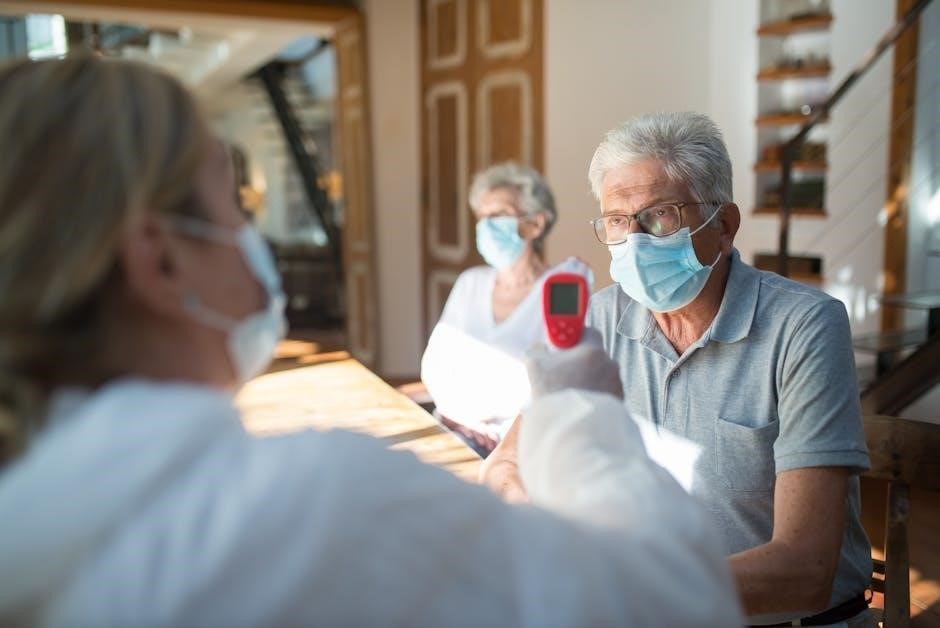
Understanding Temperature Ranges & Fever Indicators
This section details normal body temperature ranges, defines fever levels, and explains alert signals, guiding you on when to seek medical attention for accurate health monitoring.
Normal Body Temperature Ranges
Understanding what constitutes a normal temperature is crucial for accurate health assessment. While often cited as 98.6°F (37°C), normal body temperature can vary slightly depending on factors like age, activity level, time of day, and measurement location.
For the Safety 1st forehead thermometer, a typical normal range falls between 96.8°F to 99.1°F (36°C to 37.3°C). Temperatures slightly above or below this range aren’t necessarily indicative of illness. Infants and young children may have slightly higher normal temperatures than adults. It’s important to establish a baseline for each individual when they are healthy to better identify deviations.
Temperature tends to be lower in the morning and higher in the late afternoon or evening. Accurate readings require consistent measurement techniques, as outlined in the operating instructions. Remember that a single reading isn’t always definitive; consider multiple measurements and overall well-being when evaluating temperature results.
Fever Definitions and When to Seek Medical Attention
A fever generally indicates an elevated body temperature, typically defined as 100.4°F (38°C) or higher when measured with the Safety 1st forehead thermometer. However, the significance of a fever depends on age and accompanying symptoms.
For infants under three months, any fever warrants immediate medical attention. In older children and adults, a fever is often a sign of infection, but mild fevers can sometimes be managed at home with rest and fluids. Seek medical advice if the fever is accompanied by symptoms like stiff neck, severe headache, difficulty breathing, persistent vomiting, or dehydration.
High fevers (over 103°F or 39.4°C) also require prompt medical evaluation. Always trust your instincts; if you are concerned about a fever, it’s best to consult a healthcare professional. This thermometer provides a quick screening tool, but it doesn’t replace professional medical diagnosis.
Alert Signals and Their Meaning
The Safety 1st forehead thermometer utilizes visual and auditory signals to indicate temperature readings and potential issues. A green light typically signifies a normal temperature range, providing reassurance. However, a yellow or red light indicates an elevated temperature, prompting further evaluation.
Audible beeps also accompany the temperature reading; the number of beeps or a continuous tone may signify a fever level. A flashing display or error message indicates a potential malfunction, such as low battery or improper scanning technique. Refer to the troubleshooting section of this manual for solutions.
Understanding these signals is crucial for accurate interpretation. Always ensure proper scanning technique and a clear sensor lens for reliable results. If the alerts persist or seem inconsistent, contact customer support for assistance. Ignoring these signals could lead to misinterpretation of a potential health concern.

No Responses